
Trusts · Thousand Oaks, California
There is either a Trust, or there is no Trust.
A Living Trust lets you enjoy all the benefits of owning your property, ensures it passes to those you wish, when you wish, and avoids a Probate Proceeding.
Our Clients Share Their Experience








Client experiences reflect individual circumstances. Past results do not guarantee similar outcomes.
A Living Trust Is a Revocable Trust
A Living Trust is a Revocable Trust. The terms are interchangeable, and both mean a trust that can be amended by the Settlor, the person who created the trust, which is you. You place your property into it, keep the full use and benefit of everything you own, and set out exactly how it should be handled during your life and passed on afterward.What a Living Trust Does for You
Owns Your Property
Living Trusts are separate legal entities capable of owning property. You place your property into the trust and manage it yourself, for your benefit, enjoying all the fruits and benefits of ownership, with a step-up in basis where appropriate.
Plans for Incapacity
The Living Trust provides management plans should the Settlor become incapacitated. Your Successor Trustee can step in to act on your behalf, someone you have faith and confidence in, not someone appointed by the Court.
Avoids a Probate Proceeding
The Living Trust avoids Probate Proceedings. A Probate Proceeding is required when a person dies owning property in their own name with a gross value over $69,625 for real property or $208,850 for personal property. When the Living Trust owns the property, you do not, and a Probate Proceeding is not required.
Distributes on Your Terms
Upon your passing, the Living Trust organizes and distributes your property to whom you want, when you want. Where children are young or not yet ready, you can give them the help they need to manage their inheritance. You make the choices under your Living Trust.
If you are an adult who owns your own home, if you are a parent or grandparent, or if you wish to make decisions for yourself regarding the management of your financial affairs, then you need a Living Trust.
Give our office a call to set up your free, no-obligation consultation.
From David’s Desk
Trusts, Explained on Video
A Different Kind of Trust Experience
Direct Attorney Access
Every client works with David Schneider personally for all legal matters, never passed off to a paralegal or associate.
California-Wide Probate
We handle probate proceedings throughout California via remote court appearances, saving you travel, time, and money.
Educational Approach
“It is impossible to know what you do not know.” David takes the time to explain so you can make fully informed decisions.
Frequently Asked Living Trust Questions
What exactly is a Living Trust and why do I need one?
A Living Trust is a legal entity that holds and manages your property while you are alive and distributes it according to your wishes after death. It helps avoid a Probate Proceeding, provides incapacity planning, and gives you control over how and when your assets are distributed. You particularly need one if you own a home, have children or grandchildren, or want to maintain control of your financial affairs.
How does a Living Trust protect me if I become incapacitated?
A Living Trust allows your chosen Successor Trustee to immediately step in and manage your affairs if you become incapacitated. This ensures someone you trust, rather than a court-appointed stranger, makes decisions about your property and finances. The transition is seamless and avoids the need for court intervention.
Can I change my Living Trust after it's created?
Yes, you can modify your Living Trust at any time while you are alive and mentally competent. As a revocable trust, you maintain full control to amend terms, add or remove assets, or change beneficiaries as your circumstances change. This flexibility ensures your trust continues to meet your needs over time.
What's the difference between having a Will and a Living Trust?
A Living Trust helps avoid probate, while a Will must go through probate court. With a Living Trust, assets transfer privately and typically more quickly to beneficiaries. In California, a Probate Proceeding is required for estates with real property over $69,625 or personal property over $208,850 (gross value, effective April 1, 2025). Living Trusts also provide immediate asset management if you become incapacitated.
Integrity and Experience at the Core of Our Legal Services
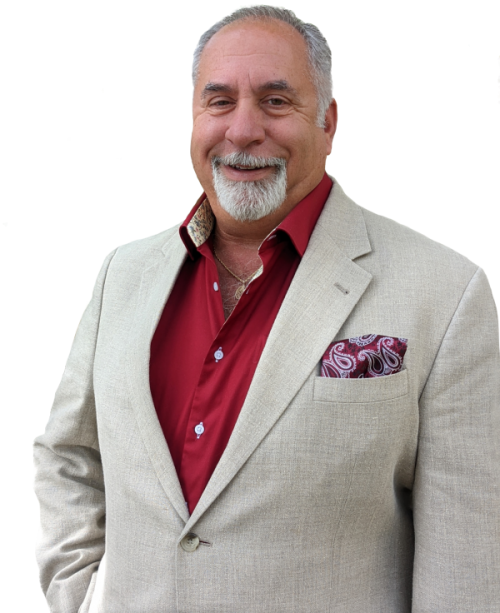
With decades of professional experience, David R. Schneider, APC blends deep community ties with a wealth of experience. From running a successful business to excelling in the legal field with top grades and honors, David’s extensive knowledge ensures comprehensive and trusted legal support. His lifelong commitment to the Conejo Valley and its residents is your assurance of reliable and heartfelt service. Choose a legacy of excellence for your legal needs.