
Wills and Pour-Over Wills · The Law Offices of David R. Schneider, APC
A safety net for the assets your trust did not catch.
A Pour-Over Will is an essential part of a complete estate plan. It makes sure any asset left outside your Revocable Living Trust is transferred into the trust after your passing, so everything you own follows one set of instructions.
Our Clients Share Their Experience








Client experiences reflect individual circumstances. Past results do not guarantee similar outcomes.
What Is a Pour-Over Will?
A Pour-Over Will is an essential component of a comprehensive estate plan, ensuring that any assets not titled in the name of your Revocable Living Trust are transferred to the trust upon your passing. This legal tool acts as a safety net, catching any assets you might have forgotten to title in your trust, specifically smaller value assets such as cars, boats, and RVs.
It is called a Pour-Over Will because it names only one beneficiary: the trust. Whatever passes under the Will pours over into the trust estate, so there is only one set of rules and all of your instructions stay in alignment.
What Happens to the Car That Was Never Put in the Trust
When creating a trust, it is common to miss titling some assets into the trust’s name. Everyday items like cars or personal belongings often remain outside the trust. Here is how a Pour-Over Will handles them.
The Car Stays in Your Name
An everyday car is rarely worth retitling. It remains titled in the name of the decedent, not the trust.
The Trustee Cannot Sell It
Can the Successor Trustee sell the car? No. The car was not titled in the name of the trust, so the trustee has no authority over it.
The Executor Can
The Pour-Over Will names an Executor to handle the last affairs of the decedent, and the Executor can sell the car.
The Proceeds Pour Over
The Executor sells the car, gets the $5,000, and gives it to the one beneficiary of the Will: the trust. That money is added to the trust estate.
Your Executor Is Your Successor Trustee
The person you name as the Executor of your Will is the same person you named as the Successor Trustee of your trust. Same person, two different jobs. The trust holds the instructions; the Will gives that person the authority to reach the assets the trust does not own.
Which Assets Still Need to Be Titled in Your Trust
Unless you drive a very expensive car, a Ferrari or a Lamborghini for example, most cars are valued well below the trigger point that necessitates a Probate Proceeding. Some newer motorhomes and some expensive boats in the slip in the harbor may be over the limit. Those assets still need to be titled in the name of your trust. The everyday cars and ski boats do not.
If Capacity Is Maintained
- The person can still understand and make their own legal decisions.
- Rush preparation of urgent documents may be possible.
- We can come to the hospital for emergency plans and writings.
- Timing is critical, so the situation should be evaluated immediately.
If Capacity Has Been Lost
- The person is no longer mentally able to make sound legal decisions or understand the consequences of legal documents.
- Certain estate planning options become unavailable.
- No one can create estate planning documents on another adult’s behalf.
- A conservatorship may become the remaining path.
$208,850
California personal property threshold, effective April 1, 2025 (AB 2016). A full Probate Proceeding is required when the total gross value of the personal property a person owned in their own name exceeds this amount. The threshold is measured on the total, not item by item, and on gross value, not net equity.
Benefits of a Pour-Over Will
Seamless Asset Transfer
Ensures all your assets are managed under one set of rules as specified in your trust.
Keeps Smaller Assets Out of Full Probate
Directs assets not initially titled in the trust into it, so they follow the trust’s instructions rather than a separate set of rules.
Peace of Mind
Provides a backup plan for any assets you might acquire later or forget to title in your trust.
Don’t let the state decide your estate’s fate. Let David guide you through the process of creating a Pour-Over Will as part of your complete estate plan.
Wills and Trusts, Explained on Video
Our Approach
We believe our clients may not always know what questions to ask. It is our responsibility to ensure all your concerns are addressed, even those you may not think to ask. Our personalized approach is built so that every aspect of your estate planning is carefully covered.
Direct Attorney Access
Every client works with David Schneider personally for all legal matters, never passed off to a paralegal or associate.
Part of a Complete Plan
Your Pour-Over Will is prepared alongside your Revocable Living Trust, Durable Power of Attorney, and Advance Healthcare Directive, so the documents work together.
Educational Approach
“It is impossible to know what you do not know.” David takes the time to explain so you can make fully informed decisions.
Frequently Asked Pour-Over Will Questions
What exactly is a Pour-Over Will and why do I need one if I already have a trust?
A Pour-Over Will is a legal safety net that transfers any assets not already in your trust to the trust after your death. It ensures all your assets follow one set of rules, even if you forgot to retitle some items in your trust’s name during your lifetime. This is especially useful for smaller assets like cars, boats, or personal belongings.
Do I need to retitle my car in my trust's name?
For most everyday vehicles, retitling in your trust’s name is not necessary. However, without retitling, your trustee cannot sell the vehicle after your death. That is where the Pour-Over Will comes in. It allows your Executor (typically the same person as your Successor Trustee) to sell the vehicle and transfer the proceeds to your trust.
How does a Pour-Over Will help with probate?
A Pour-Over Will keeps smaller assets out of a full Probate Proceeding when the total gross value of the property left outside your trust is under California’s personal property threshold, currently $208,850. For assets that would push you above this threshold, like expensive cars, boats, or RVs, you should still title them directly in your trust’s name. The Pour-Over Will primarily handles smaller items that might have been overlooked during trust creation.
Who handles funeral and burial arrangements in my estate plan?
The Executor named in your Pour-Over Will, not your trust’s trustee, is responsible for handling all funeral, burial, and memorial decisions. This is one of the key reasons why having both a Will and a trust is important for complete estate planning.
Integrity and Experience at the Core of Our Legal Services
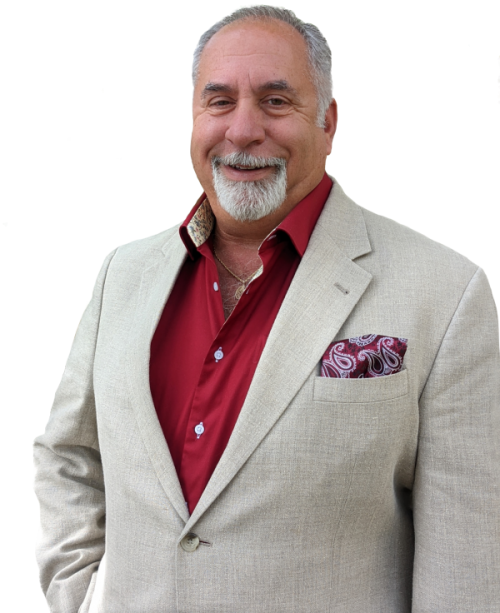
With decades of professional experience, David R. Schneider, APC blends deep community ties with a wealth of experience. From running a successful business to excelling in the legal field with top grades and honors, David’s extensive knowledge ensures comprehensive and trusted legal support. His lifelong commitment to the Conejo Valley and its residents is your assurance of reliable and heartfelt service. Choose a legacy of excellence for your legal needs.